Astaxanthin has quickly become one of the most talked-about antioxidants in the beauty-from-within and wellness space.
Often highlighted for its powerful antioxidative capacity, it is increasingly used in supplements that support skin radiance,
active lifestyles, and overall oxidative balance.
But not all astaxanthin is the same—its source plays a major role in purity, potency, and consumer perception.
Among the available options, Haematococcus pluvialis, a type of freshwater microalgae, is widely regarded
as the gold-standard natural source of astaxanthin.
What Is Haematococcus pluvialis?
Haematococcus pluvialis is a microalgae species that thrives in freshwater environments such as ponds, lakes,
and clean outdoor cultivation systems.
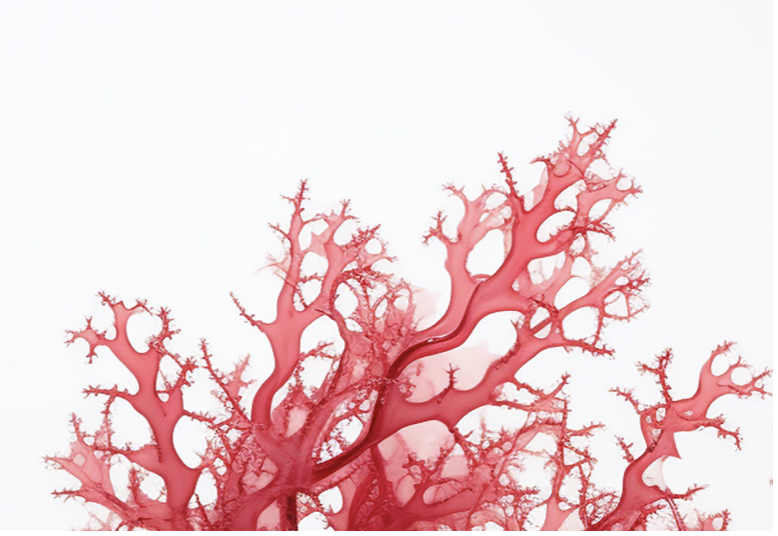
In nature, this microalgae turns deep red when exposed to environmental stress, producing astaxanthin as a protective pigment.
Studies suggest that this self-defense mechanism enables the microalgae to survive intense sunlight, nutrient scarcity,
and other harsh conditions.
This natural ability to generate high levels of astaxanthin is what sets H. pluvialis apart from other sources.
Why It Is Considered the Premium Source
Several factors contribute to the reputation of Haematococcus pluvialis as the superior natural source of astaxanthin:
- Highest natural concentration: H. pluvialis contains the highest known natural level of astaxanthin among all microalgae and organisms, making it the most efficient and potent source.
- Natural extraction: Unlike synthetic astaxanthin created from petrochemicals, microalgae-derived astaxanthin aligns with clean-label trends and consumer preference for natural ingredients.
- Rich antioxidant profile: The form of astaxanthin produced by this microalga is valued for its strong antioxidant activity and stability.
- Traceable and sustainable: Controlled microalgae farming allows for transparency in cultivation, from water quality to harvesting methods.
- Premium positioning: Beauty and supplement brands often choose H. pluvialis to elevate product credibility in the “natural astaxanthin source” category.
Comparison to Other Astaxanthin Sources
Yeast-based and synthetic astaxanthin options exist, but they differ in purity and consumer perception.
Synthetic astaxanthin is typically less favored in beauty and wellness categories due to its non-natural origin,
while yeast-derived forms may contain lower concentrations.
In contrast, Haematococcus pluvialis remains the benchmark for microalgae astaxanthin thanks to its potency
and clean-label advantages.
Manufacturing & Quality Considerations
To ensure premium quality, H. pluvialis cultivation requires controlled environments, proper light exposure,
and strict sanitation. Manufacturers typically follow GMP standards and conduct COA testing to verify purity and potency.
Advanced extraction and encapsulation technologies—such as stabilization for gummies, softgels, and capsules—help protect
astaxanthin’s integrity and ensure consistent dosing in finished products.
Market Trends & Applications
Demand for algae-derived antioxidants continues to rise, especially within beauty-from-within, anti-oxidative wellness,
and active lifestyle supplements.
With consumers prioritizing natural, traceable ingredients, astaxanthin from Haematococcus pluvialis has become
a key selling point for premium supplement brands.
Conclusion
As interest in antioxidant nutrition grows, Haematococcus pluvialis stands out as the most trusted, potent,
and natural source of astaxanthin.
For consumers and brands alike, choosing astaxanthin with transparent sourcing and verified purity ensures maximum value—
and reinforces why this microalgae remains the industry’s highest standard.